Why Roofing Costs What It Does in 2026
To understand 2026 roofing prices, it helps to see what goes into them. A roof's cost is built from the material, the labor, the roof's size and complexity, and various fixed costs, all priced according to the current market. In 2026, that market reflects several years of rising material and labor costs and steady demand. So the higher prices homeowners encounter this year are not arbitrary but the sum of these components at today's rates. For a Station Hill homeowner, grasping why the cost is what it is, the drivers behind the number, is the foundation for budgeting and for deciding whether to act now or wait.
The Building Blocks of the Price
Every roofing quote is assembled from the same building blocks: the material for your roof, the labor to install it, the size and complexity of the roof, and fixed costs like tear off, disposal, and permits. In 2026, each of these is priced at current rates, which have generally risen in recent years. The material and labor together make up most of the cost, with size scaling it and complexity adjusting it. For a Station Hill homeowner, understanding these building blocks clarifies why a 2026 quote is what it is and where the increases over past years have come from, mainly material and labor.
The Case for Acting on a Failing Roof
For a roof that is failing or near the end of its life, the case for acting now in 2026 is strong. Waiting risks water reaching the structure and interior, which turns a straightforward replacement into one that also involves repairing decking, insulation, and finishes, adding cost regardless of any price change. And since prices have historically trended up, waiting is unlikely to save money. For a Station Hill homeowner with a failing roof, replacing now on your own schedule, rather than after a leak forces an emergency, is almost always the cheaper and less stressful path despite current prices.
Why Predicting Prices Is Hard
Homeowners naturally want to know whether prices will drop, but predicting future roofing costs is genuinely difficult. Prices depend on material markets, labor availability, demand, and broader economic conditions, none of which are easy to forecast. Historically, roofing and construction costs have tended to rise over time rather than fall, though they can stabilize. Betting on a significant decline is speculative. For a Station Hill homeowner, the uncertainty means current prices are the ones to plan around, and the decision to act or wait is better based on the roof's condition than on guessing where prices will go.
The Case for Waiting on a Sound Roof
For a roof that is sound with years of life left, there is no urgency to replace it in 2026 just because of price concerns. A functioning roof does not need replacing on speculation, and the money is better kept until the roof genuinely nears the end of its life. In the meantime, maintenance and inspections keep the roof healthy. For a Station Hill homeowner with a sound roof, the sensible approach is to plan and budget for the eventual replacement while continuing to maintain the current roof, rather than replacing prematurely out of worry about future price increases.
Demand and Timing
Demand shapes pricing and scheduling in 2026. When roofers are busy, driven by storm seasons, an aging housing stock needing replacement, and general home improvement activity, prices firm up and lead times lengthen. Peak seasons like spring and fall tend to be busier, sometimes affecting both price and availability. For a Station Hill homeowner, this means timing can matter at the margins, with less busy periods occasionally offering better scheduling or pricing. But demand is only one factor among material and labor costs, so it adjusts rather than determines the price, and a failing roof should not wait for a quieter season.
Material Costs in Today's Market
The materials themselves carry a meaningful share of the 2026 cost, and their prices reflect current market conditions. Asphalt shingles are influenced by petroleum based inputs, so they move with broader cost pressures, while metal prices track commodity markets for steel and aluminum. Tile and slate carry their own cost pressures as heavy products. Across these categories, material costs have generally risen over recent years. For a Station Hill homeowner, this means the material portion of a quote is higher than it once was, contributing to the higher 2026 prices, though it is only part of the total alongside the substantial labor component.
Getting an Accurate 2026 Figure
The conclusion of any 2026 cost discussion is that the only accurate figure comes from a current measured estimate. A local contractor assesses your roof's size, material, complexity, and condition and prices it at today's rates, reflecting the current local market. Online averages and general ranges help with rough planning but cannot capture your roof or current local prices precisely. For a Station Hill homeowner, getting one or more fresh estimates this year turns general ranges into a real, current number you can budget around and compare, and since most are provided without obligation, it costs nothing to learn where you stand in 2026.
The Recent Upward Trend
Pulling these together, roofing costs have generally trended upward in recent years, and 2026 sits on that trajectory. Rising material prices, higher labor costs, steady demand, and broader inflation have combined to push prices higher across the industry, much as they have for construction and home improvement generally. The result is that a roof costs more today than the same roof a few years ago. For a Station Hill homeowner, understanding this trend sets realistic expectations for 2026 and informs the timing decision, since the history of rising costs means waiting has not typically rewarded homeowners with lower prices.
Fuel, Transport, and Overhead
Less visible costs also feed into 2026 pricing. Fuel and transportation affect the delivery of heavy roofing materials and the contractor's operations, and when these costs rise, they work their way into quotes. A contractor's overhead, including insurance, equipment, and business costs, has also generally increased. These factors are part of why prices have climbed beyond just material and labor. For a Station Hill homeowner, recognizing that fuel, transport, and overhead contribute to the total explains why 2026 costs reflect broad economic pressures, and why a fair quote accounts for the real costs of running a quality roofing operation today.
The Labor Picture
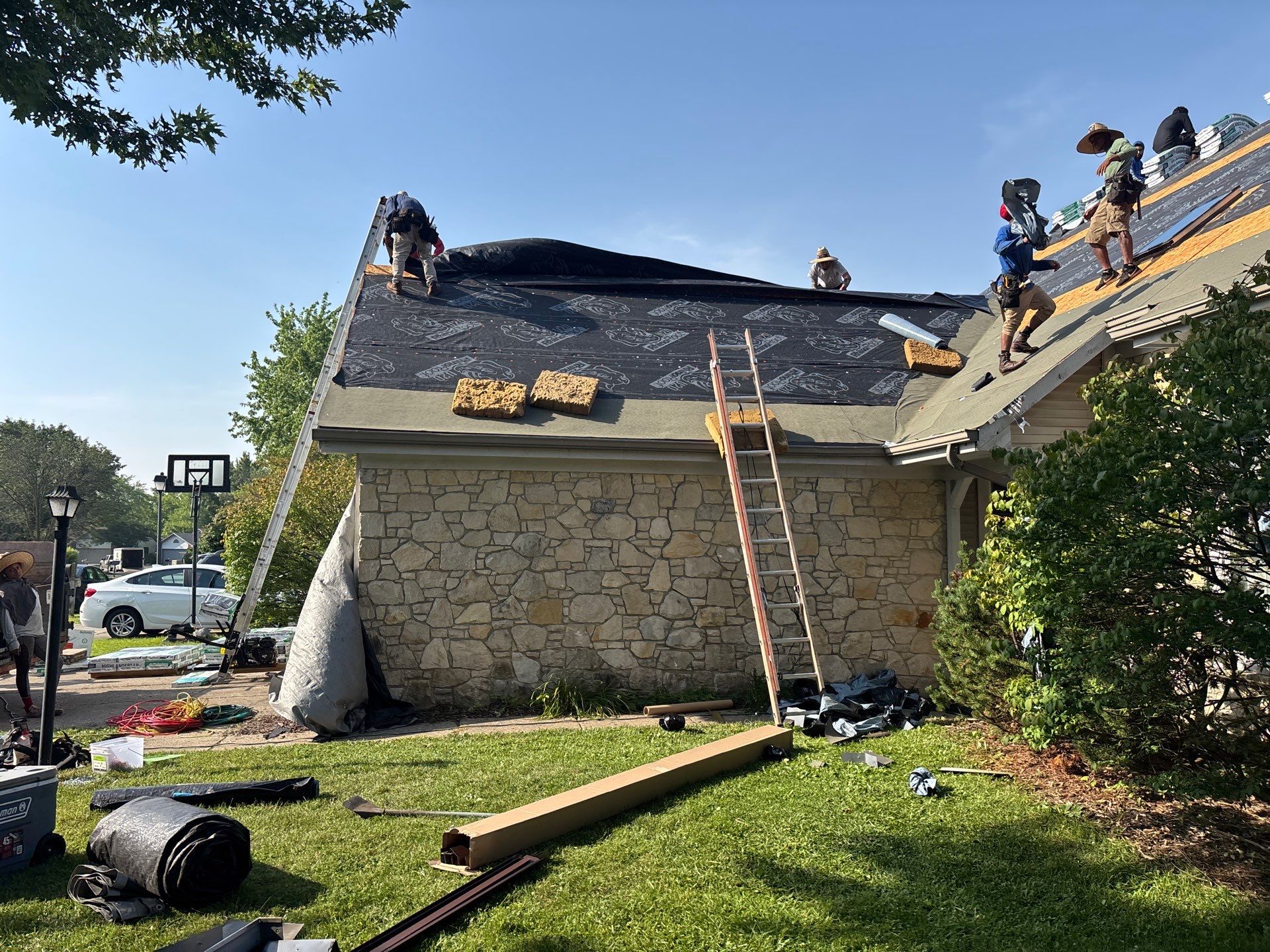
Labor is a large part of any roofing cost, and the 2026 labor market reflects strong demand for skilled roofers. Experienced crews stay busy, especially in peak seasons and after storms, which supports labor rates. Because labor is often a substantial share of a quote, its cost strongly influences the total, and rising labor costs are a key reason 2026 prices are higher. Importantly, quality labor is what makes a roof perform and last, so economizing on it tends to cost more later. For a Station Hill homeowner, the current labor picture is central to understanding both the price and the value of an experienced contractor.
How Your Local Market Shapes the Number
National averages only go so far, because roofing costs vary by region, and 2026 prices in your area reflect local labor rates, material availability, demand, permit requirements, and climate needs. A high cost area generally means higher roofing prices, and recent local storm activity can affect both pricing and scheduling. For a Station Hill homeowner, this means the most accurate sense of 2026 cost comes from local contractors pricing according to your specific market, not from national figures. The local market is where the real number is set, which is why a current local estimate is essential.