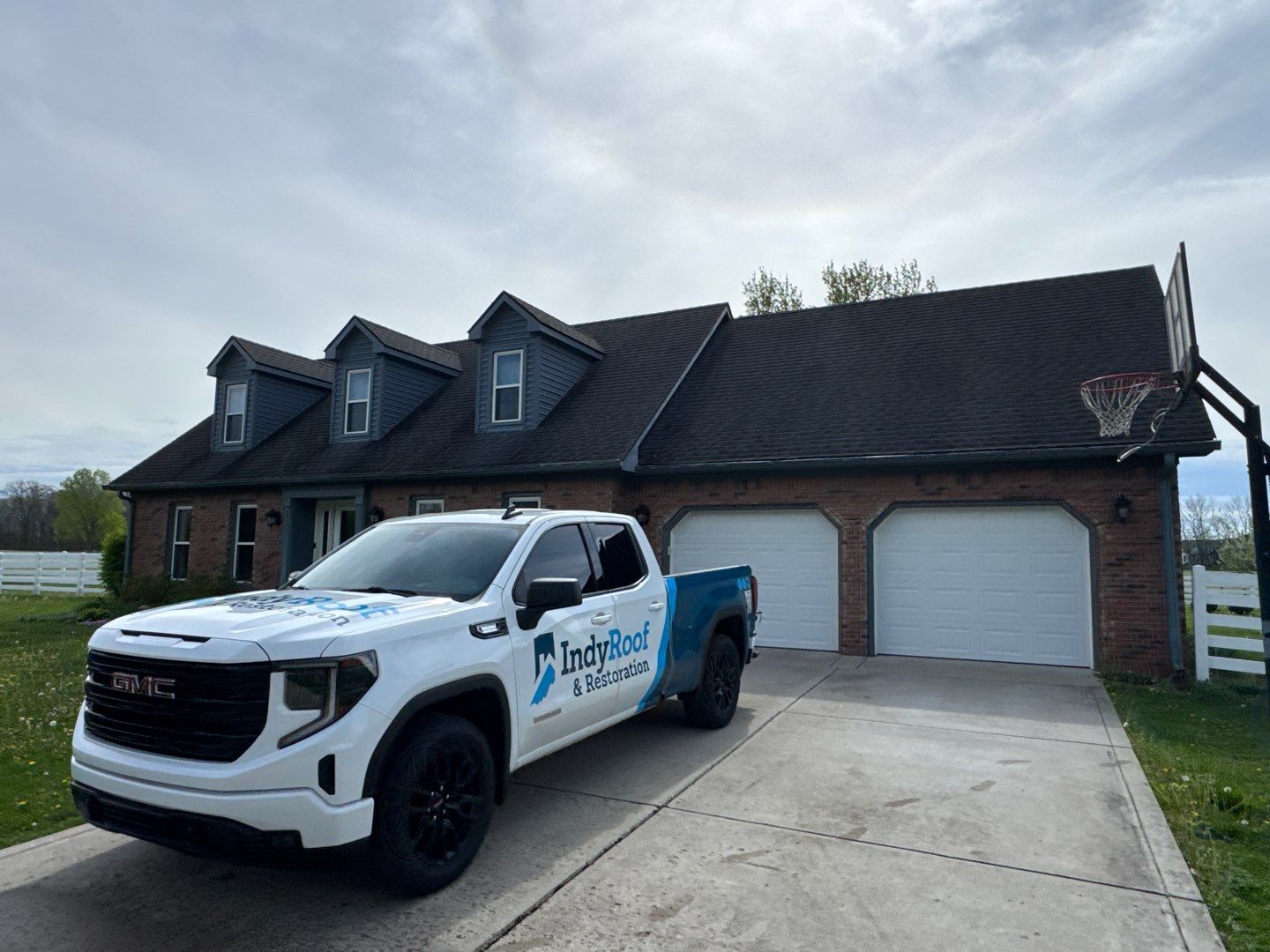
What are the black streaks on my roof?
The black streaks on your roof are usually a type of algae that grows on roofing, appearing as dark stains running down the slope, with the dark color from the algae's protective coating. For a Station Hill homeowner, the streaks are typically algae, not dirt or damage. So they are usually roof algae, a living growth rather than dirt. Understanding this helps you address them, since because the streaks are a living growth that spreads by spores and feeds on elements in the roofing, removing them calls for the right gentle method rather than rinsing, so knowing the cause is algae helps you choose proper, safe cleaning, with the streaks being largely cosmetic in most cases for your home, so the dark stains are an algae issue to address gently.
What causes roof algae?
Roof algae is caused by airborne spores that settle on roofs and grow in damp, shaded conditions, feeding on elements in the roofing materials. For a Station Hill homeowner, airborne spores and damp, shaded conditions cause it. So airborne spores growing in damp, shaded spots cause it. Understanding this helps you see why it appears, since because the spores travel through the air and thrive in moisture and shade, roofs in humid areas or with shaded, damp sections are more prone, so north facing slopes and tree shaded areas often show streaks first, which is why understanding the cause helps explain where streaks appear and where prevention helps for your home, so spores plus damp shade drive the growth.
Should I clean or replace a streaked roof?
Whether to clean or replace depends on the roof's overall condition: if the roof is otherwise sound, cleaning addresses the cosmetic algae, while replacement is about the roof's age and condition, not the streaks alone. For a Station Hill homeowner, the roof's condition guides this. So clean if the roof is sound; replace based on its condition, not streaks alone. Understanding this helps you decide, since because the streaks are largely cosmetic, they alone do not mean a roof needs replacing, so cleaning suits a sound roof while replacement is warranted by age and condition, which a professional inspection can assess, so rather than replacing for streaks alone, having the roof assessed clarifies whether cleaning or replacement fits for your home. Station Hill Roofing provides inspection and both services for Station Hill homeowners.
Does shade cause roof algae?
Shade contributes to roof algae by keeping the roof damp and cool, conditions algae favors, which is why shaded, north facing, or tree covered sections often show streaks first. For a Station Hill homeowner, shade and the resulting moisture encourage algae. So shade contributes by keeping the roof damp, favoring algae. Understanding this helps you address it, since because algae thrives in damp, shaded spots, areas that stay wet and out of the sun are more prone, so improving exposure by trimming overhanging branches, where appropriate and done safely, helps reduce the conditions that favor growth, which is why managing shade and moisture is part of preventing streaks for your home, so addressing shade helps keep algae down.
How can I prevent black streaks?
To prevent black streaks, address the conditions algae favors and add inhibiting elements: improve sun and airflow, consider zinc or copper near the ridge, and choose algae resistant shingles at replacement. For a Station Hill homeowner, these measures help keep the roof cleaner. So improve airflow, add inhibiting metals, and use resistant shingles. Understanding this helps you plan, since because algae thrives in damp, shaded conditions and is inhibited by certain metals, reducing shade and moisture, adding inhibiting elements, and using resistant materials help prevent growth, so rather than only reacting, taking these preventive steps helps the roof resist streaking, which is why prevention is worth planning, with a professional able to advise on the right measures for your home, so combine several approaches.
Are black streaks bad for my roof?
Black streaks are largely cosmetic in most cases, affecting the roof's appearance rather than causing major damage, though related growth like moss can be more of a concern and the issue is still worth addressing. For a Station Hill homeowner, the streaks are usually a cosmetic concern. So they are mostly cosmetic, though still worth addressing. Understanding this helps you weigh it, since because the algae is mostly a surface growth, it generally does not cause significant structural harm, though moss or lichen can hold moisture and warrant attention, so understanding that the streaks mainly affect appearance, while addressing them for curb appeal and to prevent worse growth, helps you decide how to handle them, with an inspection clarifying any related issues for your home.
Why do the streaks come back?
The streaks come back because algae spores are always in the air and resettle on the roof, so cleaning addresses the current growth while prevention helps slow regrowth. For a Station Hill homeowner, regrowth is why prevention matters. So they return because spores are always present; prevention helps. Understanding this helps you plan, since because the spores resettle after cleaning, cleaning alone is temporary, so adding inhibiting elements like zinc or copper, improving sun and airflow, and considering resistant shingles help discourage regrowth, so rather than cleaning repeatedly, combining cleaning with prevention gives a more lasting result, which is why addressing the conditions helps keep the streaks from quickly returning for your home, so pair cleaning with prevention.
Can I clean black streaks off myself?
You can in principle, but roof cleaning involves working at height and using the right gentle method, so having a professional handle it is often safer and more effective. For a Station Hill homeowner, a professional soft wash is usually the safer choice. So you can, but a professional is often safer given the height and method. Understanding this helps you decide, since because the work carries fall risk and the wrong method can harm the roof, a professional with the right low pressure approach and equipment can clean safely and effectively, so rather than risking a DIY effort at height, having a professional clean the roof is the sensible approach for most homeowners for your home. Station Hill Roofing provides roof cleaning for Station Hill homeowners.
Should I pressure wash my roof?
No, pressure washing is not recommended for a roof, since the high pressure can dislodge protective granules and force water under shingles, causing damage, so a gentle method is safer. For a Station Hill homeowner, pressure washing can harm the roof more than the streaks. So no; pressure washing can damage shingles. Understanding this helps you avoid harm, since because shingles rely on their granule surface and proper water shedding, the force of pressure washing can strip granules and drive water where it should not go, so rather than pressure washing, using a gentle, low pressure soft wash safely removes the algae while protecting the roof, which is why avoiding pressure washing matters for your home, so choose gentle methods instead.
Do algae resistant shingles help?
Yes, algae resistant shingles, made with granules often containing copper or zinc, help inhibit algae growth and tend to resist streaking better than standard shingles. For a Station Hill homeowner, they can help a new roof stay cleaner. So yes, they help inhibit algae growth. Understanding this helps you decide at replacement, since because copper and zinc inhibit algae, shingles incorporating these granules resist streaking better, so if you are replacing your roof, choosing algae resistant shingles can help keep it cleaner over time, which is why this is worth considering at replacement, with the specifics of any product confirmed with the installer, so resistant shingles are a worthwhile preventive option for a new roof for your home. Station Hill Roofing provides roof replacement for Station Hill homeowners.
How do professionals clean a roof?
Professionals typically use a soft wash method, applying appropriate cleaning solutions at low pressure to address the algae, then gently rinsing, working safely at height with the right equipment. For a Station Hill homeowner, this is the safe, effective approach. So they use low pressure soft washing with appropriate solutions. Understanding this helps you know what to expect, since because the goal is to remove the algae without harming the shingles, professionals use a gentle, low pressure approach rather than pressure washing, applying the right solutions and rinsing carefully, so a professional soft wash addresses the algae safely while protecting the roof, which is why it is the recommended method for your home, with the professional also handling the height safely. Station Hill Roofing provides roof cleaning for Station Hill homeowners.
Will cleaning damage my shingles?
Proper cleaning with a gentle, low pressure soft wash method should not damage shingles, while pressure washing can, which is why the method matters. For a Station Hill homeowner, a gentle approach cleans without harm. So proper soft washing should not damage shingles; pressure washing can. Understanding this helps you choose the right method, since because the risk to shingles comes from aggressive methods like pressure washing that strip granules or force water under shingles, a gentle, low pressure approach with appropriate solutions removes the algae without that harm, so rather than risking damage with the wrong method, using or having a professional use a soft wash approach cleans safely, which is why the method makes the difference for your home. Station Hill Roofing provides safe roof cleaning for Station Hill homeowners.